Ear cropping in Dobermans has long been a debated topic among dog enthusiasts, breeders, and veterinarians. While some see it as a traditional and functional practice, others consider it unnecessary. If you’re considering ear cropping for your Doberman, it’s important to weigh both the benefits and drawbacks carefully.
Pros of Cropping Doberman Ears
1. Reduced Risk of Ear Infections
Dobermans with natural, floppy ears are more prone to ear infections. The heavier ear structure reduces airflow, creating a warm, moist environment where bacteria and yeast can thrive. Cropped ears stand upright, making the ear canal more ventilated and less likely to trap debris, moisture, and bacteria.
2. Easier Tick Detection
For families living in rural or wooded areas, ticks can be a serious concern. Uncropped ears with heavy folds may conceal ticks for days or weeks, allowing them to cause irritation or spread diseases. Cropped ears make it easier for owners to spot and remove ticks before they become a bigger problem.
3. Quick Recovery and Low Pain Levels
Contrary to what many assume, the initial ear cropping surgery has a quick recovery time and is not as painful as it looks. With proper veterinary care and pain management, most Dobermans bounce back swiftly and continue life with little disruption.
4. Functional Advantage in Outdoor Lifestyles
If your dog will spend time in water, hunting grounds, or areas with thick brush, cropped ears can be practical. Upright ears dry more quickly after swimming and are less prone to injury or parasite problems.
Cons of Cropping Doberman Ears
1. Post-Surgery Ear Posting
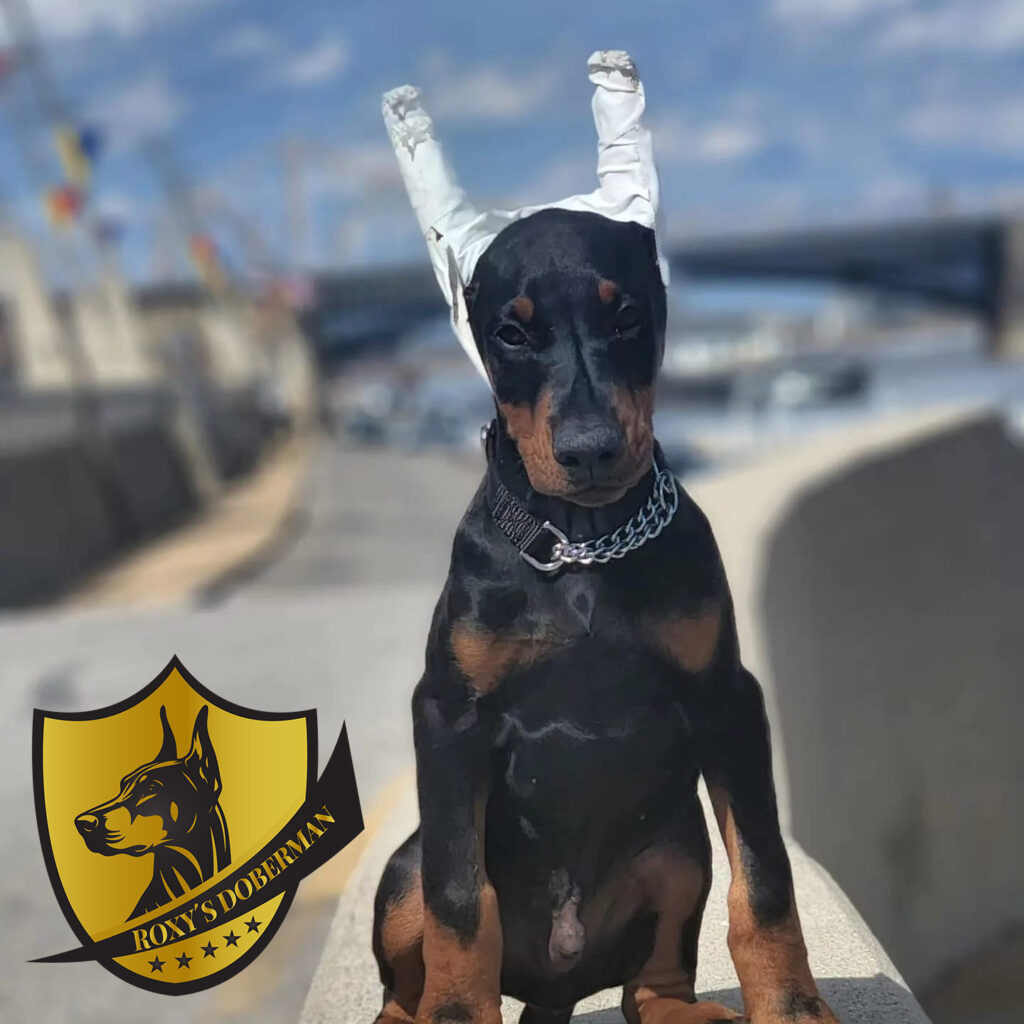
While the surgery itself heals quickly, the aftercare can be tedious. Cropped ears need to be “posted” (taped upright) for several weeks to a few months, depending on how the ears develop. This requires patience, consistency, and sometimes professional guidance.
2. Cosmetic Debate
Not everyone agrees with the practice. Some veterinarians, trainers, and pet owners see cropping as purely cosmetic rather than functional. This means you may face criticism from those who are against altering a dog’s natural appearance.
3. Requires an Experienced Veterinarian
Ear cropping should always be done by a skilled, experienced vet. Poorly executed procedures can lead to uneven ears, longer recovery times, or unnecessary discomfort.
Final Thoughts: Is Cropping Right for Your Doberman?
Both cropped and uncropped Dobermans can live healthy, happy lives. However, if your Doberman will be frequently exposed to water, ticks, or outdoor environments, cropping the ears can be a practical choice to reduce long-term health risks.
On the other hand, if you prefer the natural look or don’t want to commit to months of ear posting, leaving the ears uncropped is also a valid decision.
In the end, ear cropping is a personal choice, but one best made after considering your lifestyle, your dog’s health, and guidance from a knowledgeable veterinarian.